
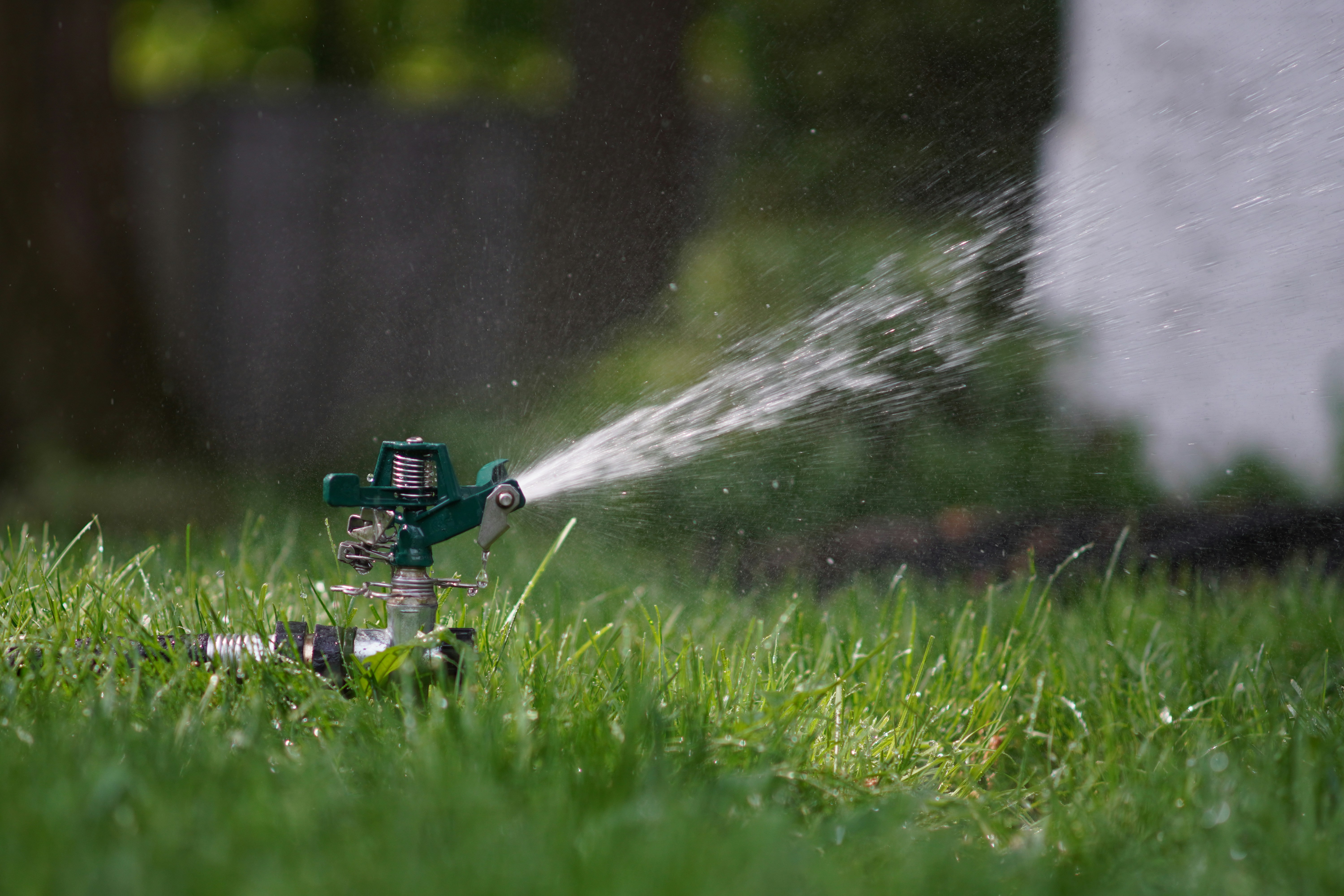
Watering your lawn may seem simple, but doing it correctly is one of the most important steps in maintaining strong, healthy turf. Grass relies on consistent moisture to develop deep roots, maintain color, and withstand heat. When watering is irregular or too shallow, lawns become more vulnerable to drought stress, weeds, and disease. Understanding how and when to water gives your lawn the foundation it needs to thrive all season long.
The best time to water your lawn is early in the morning, when temperatures are cooler and the sun hasn’t yet begun to evaporate moisture. Morning watering allows the soil to absorb water deeply, giving roots the hydration they need without leaving the grass wet overnight — a condition that can encourage fungal growth. Watering during the hottest part of the day leads to wasteful evaporation, while evening watering can create prolonged dampness that harms turf health.
Deep, infrequent watering is far more effective than short, frequent sessions. Aiming for about one inch of water per week encourages roots to grow downward, making your lawn more drought‑tolerant and better equipped to handle summer heat. Shallow watering keeps roots near the surface, where they dry out quickly and struggle to support the lawn during stressful conditions. Using a sprinkler system or hose with a steady, even flow helps ensure consistent coverage across your entire yard.
Monitoring your lawn’s moisture levels throughout the season helps prevent both overwatering and underwatering. Signs of underwatering include wilting, dull color, and footprints that linger on the grass. Overwatering can lead to soggy soil, fungal issues, and weakened roots. By paying attention to weather patterns, adjusting your watering schedule, and using smart techniques, you can keep your lawn lush, green, and healthy all summer long.